
What Is Picanha? A Butcher's Guide to the King of Brazilian BBQ
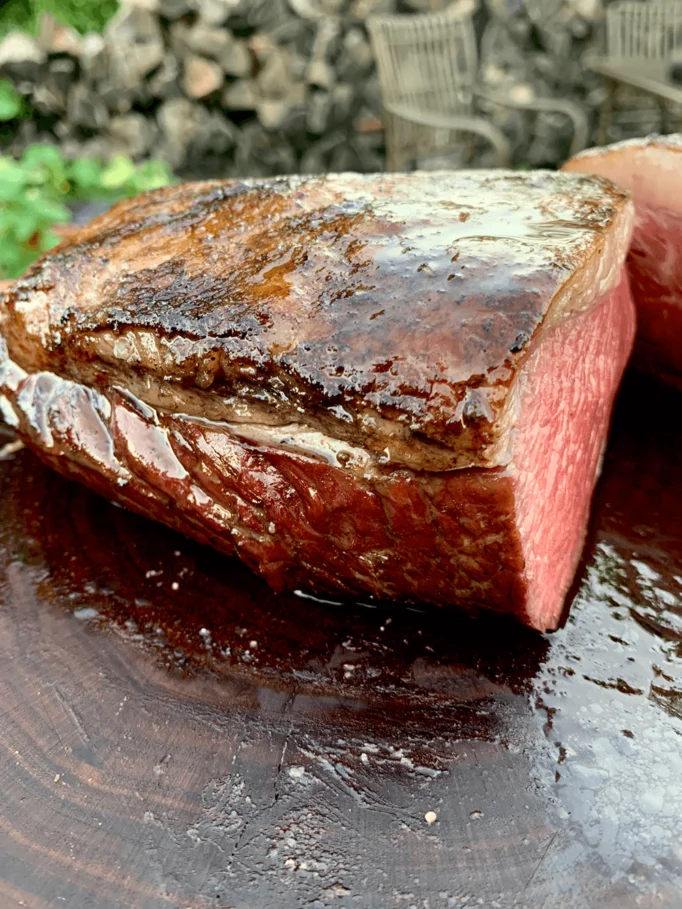
Ask for picanha in most New Zealand butcheries and you'll get a blank look. Ask in Brazil, Uruguay or Argentina and you'll start a debate about the best way to cook it. Here's what the fuss is about.
The cut
Picanha (pronounced pee-KAHN-ya) is the top sirloin cap — a triangular muscle that sits over the rump, crowned with a thick, even layer of fat. That fat cap is the whole point: as it renders over the fire it bastes the meat beneath, keeping it juicy and giving it that unmistakable char.
In NZ butchery terms it's sometimes called the rump cap, but a true picanha is trimmed and portioned differently — the fat cap left intact, never scored, never removed.
How we cut ours
At El Jefe we cut picanha the South American way:
- Whole caps of around 1–1.5 kg — bigger than that and you're getting rump, not picanha
- Fat cap left full, about a finger thick
- 100% New Zealand beef, aged for flavour
How to cook it
The traditional way (espeto/skewer): cut the cap into thick crescents with the grain, fold each onto a skewer fat-side out, and grill over hot embers. Slice off the outside as it cooks and return the skewer to the fire — that's how the churrascarias do it.
The whole-roast way: salt generously (coarse salt only — this cut needs nothing else), sear fat-side down until golden, then roast or grill indirect to medium-rare. Rest it well, then slice against the grain.
The steak way: cut thick steaks with the grain first, then grill, so that when you slice to eat, you're cutting against it.
Whatever you do: coarse salt, real fire, and don't trim the fat.
Get yours
We cut picanha fresh at the butchery counter, Tuesday to Saturday at 3/60 Aviation Ave, Mount Maunganui. Pair it with a jar of our house chimichurri and you're most of the way to an asado.